


humor
/
Michał A. Nowakowski
Opublikowano: 5 lutego 2015
Zaktualizowano: 12 grudnia 2014
Ilość komentarzy: 1
Skomentuj artykuł
źródło
Co chciałbyś dostać gratis? Kliknij wybraną okładkę:
Zostaw komentarz
Oto najnowsze artykuły z naszego bloga:

Sam na sam z lektorem?
Oto dlaczego to niekoniecznie najlepszy wybór dla Twojego angielskiego…
Michał A. Nowakowski
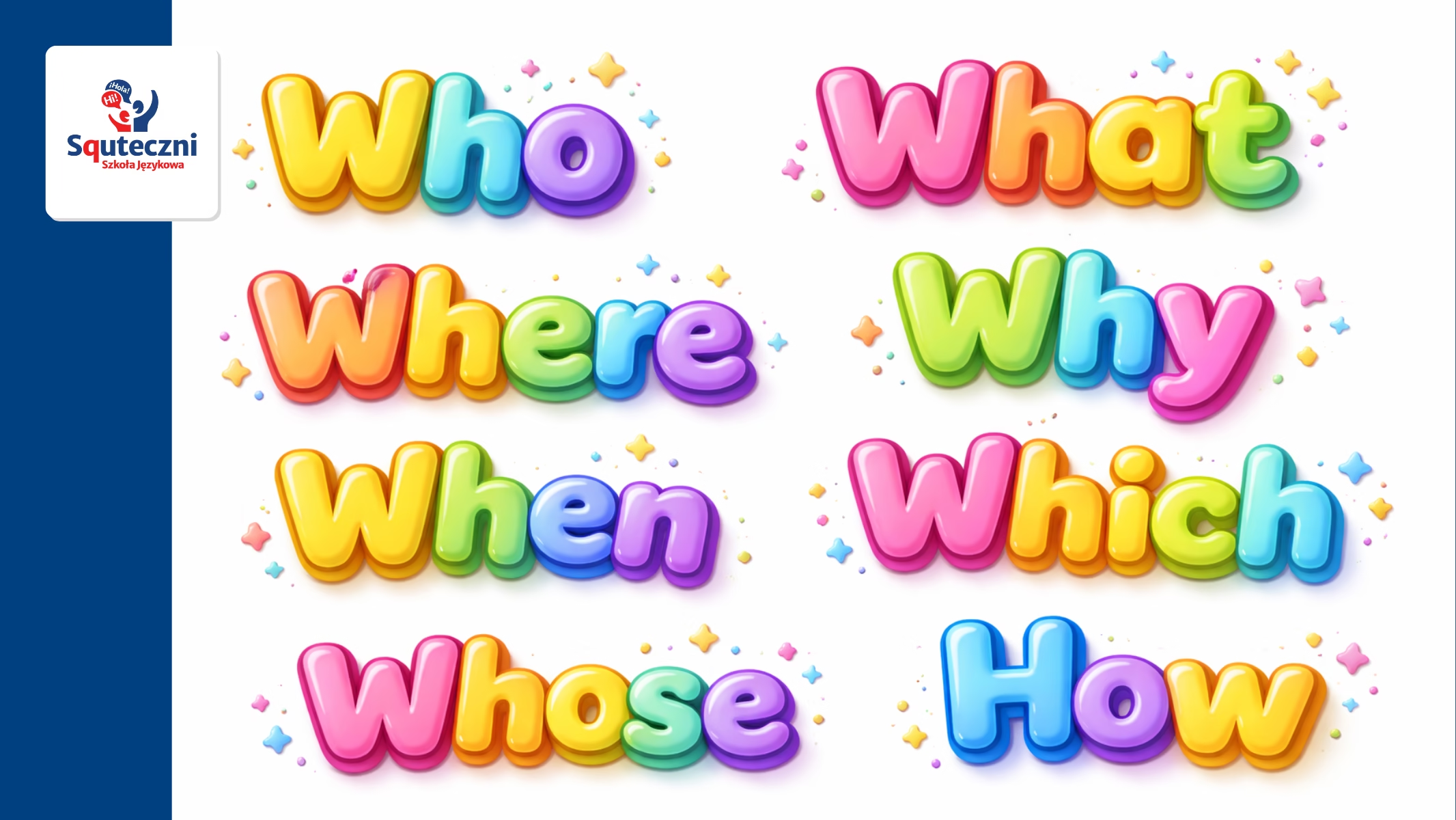
Słówka pytające w angielskim czyli WH-words
Znasz to uczucie, kiedy chcesz o coś zapytać po angielsku, a w głowie pustka i wychodzi tylko „Eee… how you…
Michał A. Nowakowski
Ortografia czasowników angielskich – zasady co i kiedy zmieniać w pisowni
Dodajesz do czasownika „-ed” i nagle pojawia się dodatkowa literka. Albo znika ostatnia samogłska. Albo nic się nie dzieje. Angielska…
Michał A. Nowakowski
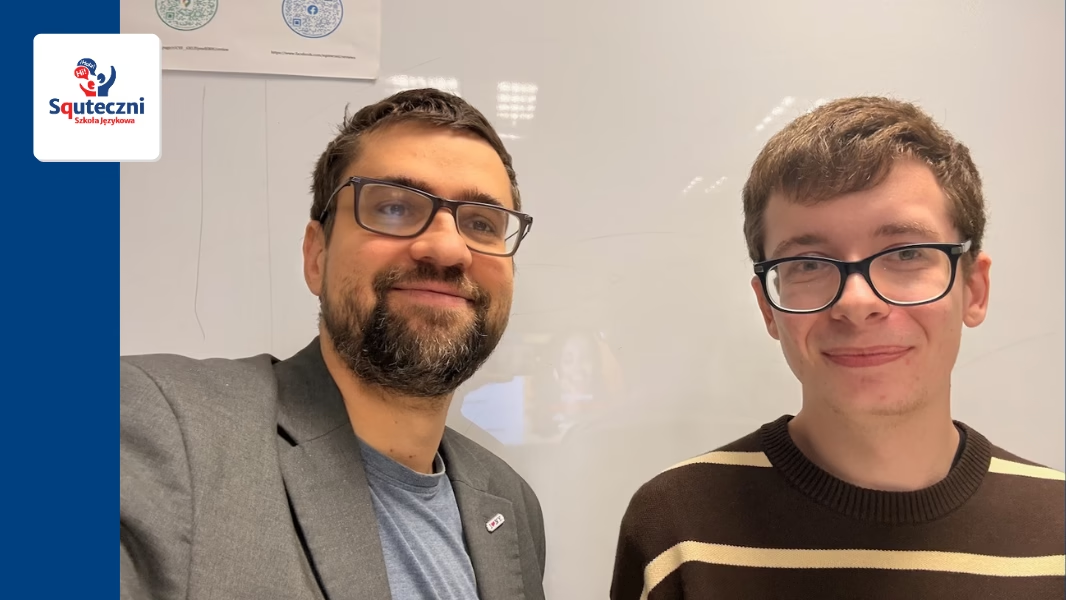
„Rozumiem moich uczniów” – wywiad z Mikołajem Podymą
Od nieśmiałości po odwagę – jak wyglądała droga naszego lektora Mikołaja w szkole Squteczni.…

One of the things that makes learning English so hard is that we use the same sounding words for different meanings. For instance, the worst is the use of the words „to” „too” and „two.” The first one is used the most, as in „We went to the house.” The seconds means „also.” „He’s afraid of the dark too.” The third is the written form of the number 2. „Two heads are better than one.” It makes it hard to learn English to people who grew up with it, let alone others for others who are just trying to learn.
In this picture above, if we said In this case deserted means „abandoned” or „empty.” However, we have cake and ice cream for dessert. Even though they are spelled different they are pronounced the same. So when we say the streets were deserted, we would immediately think abandoned so it would be „odd” when we saw an ice cream cone and a cupcake. It’s a clever play on words and what our expectations would be when we hear those words.